
By Erity Teave Hey, President — Mana Rapa Nui Foundation | April 2026
Easter Island is one of the most recognizable places on Earth. The Moai — those towering stone figures watching silently over the Pacific — have made Rapa Nui famous across every continent. Millions dream of visiting. Scholars have written thousands of papers about the island’s past.
Almost no one writes about what it is like to be disabled on Rapa Nui today.
I am a member of the Rapa Nui diaspora. My family has deep roots on the island — land, community, memory, and love that stretch back generations. And for years, I have watched a quiet crisis unfold among our most vulnerable: the elderly, the physically impaired, and the disabled residents of our island home.
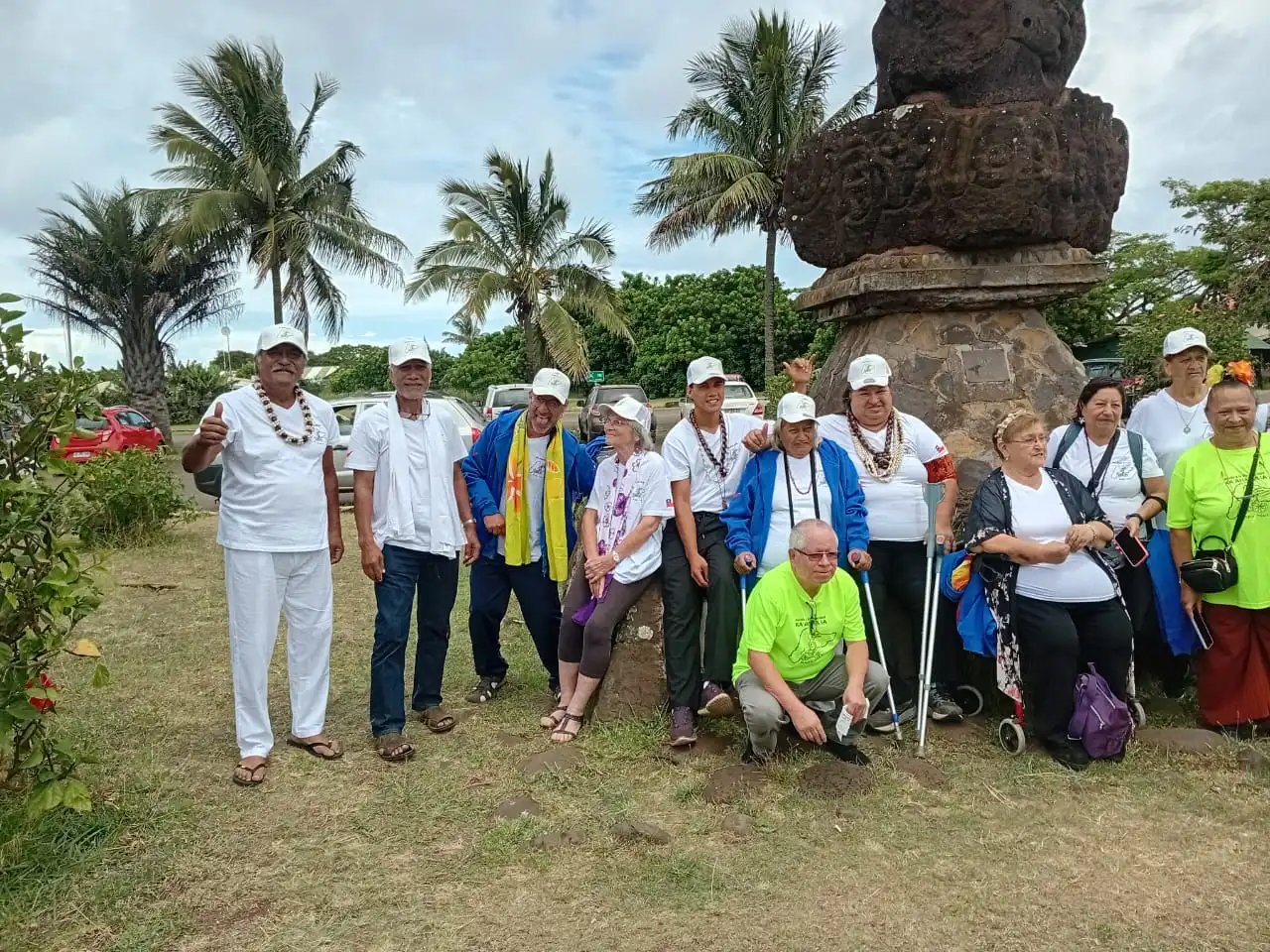
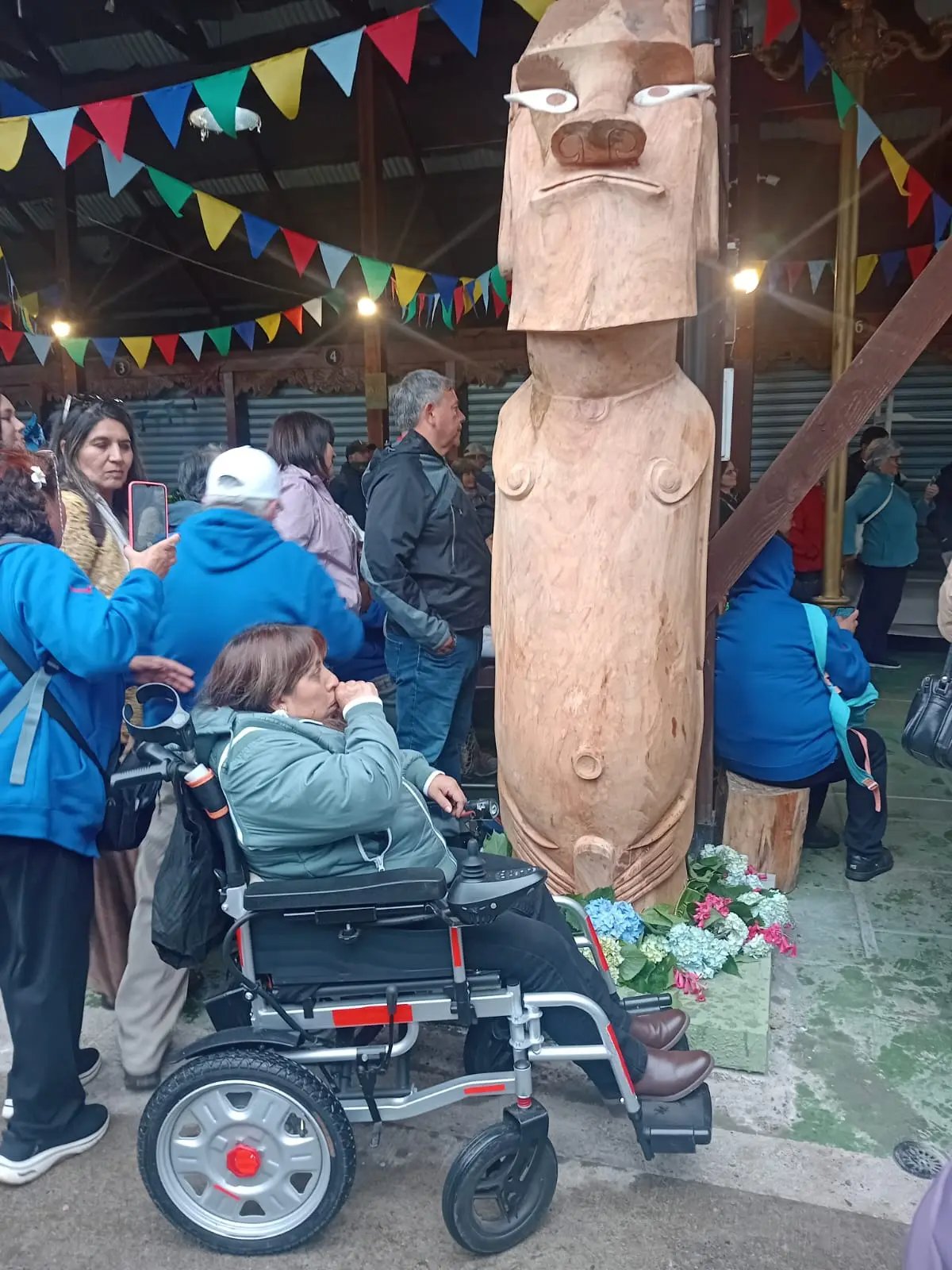
Miembros de la comunidad Rapa Nui se reúnen junto a un moai tallado; entre ellos se encuentran personas mayores y con discapacidad, parte del grupo al que atiende la Fundación Mana Rapa Nui.
Cómo es realmente la «falta de apoyo»
Cuando la gente escucha que la población con discapacidad de Rapa Nui no recibe ningún tipo de apoyo institucional, a menudo asume que se trata de una exageración. No lo es.
No existe ningún programa gubernamental de distribución de sillas de ruedas. No hay centros de rehabilitación. No hay trabajadores de salud comunitaria capacitados en la atención a personas con discapacidad. No hay centros de préstamo de dispositivos de asistencia. El sistema nacional de salud chileno no brinda una atención efectiva a los aproximadamente 7.750 residentes de la isla en lo que respecta a la discapacidad.
Una persona que pierde su movilidad en Rapa Nui tiene dos opciones: depender enteramente de su familia o ser evacuada al Chile continental —a más de 3.700 kilómetros de distancia—, lo cual conlleva un enorme costo personal y económico. La mayoría de las familias no pueden costear la evacuación. La mayoría se queda. Y la mayoría vive en la carencia.
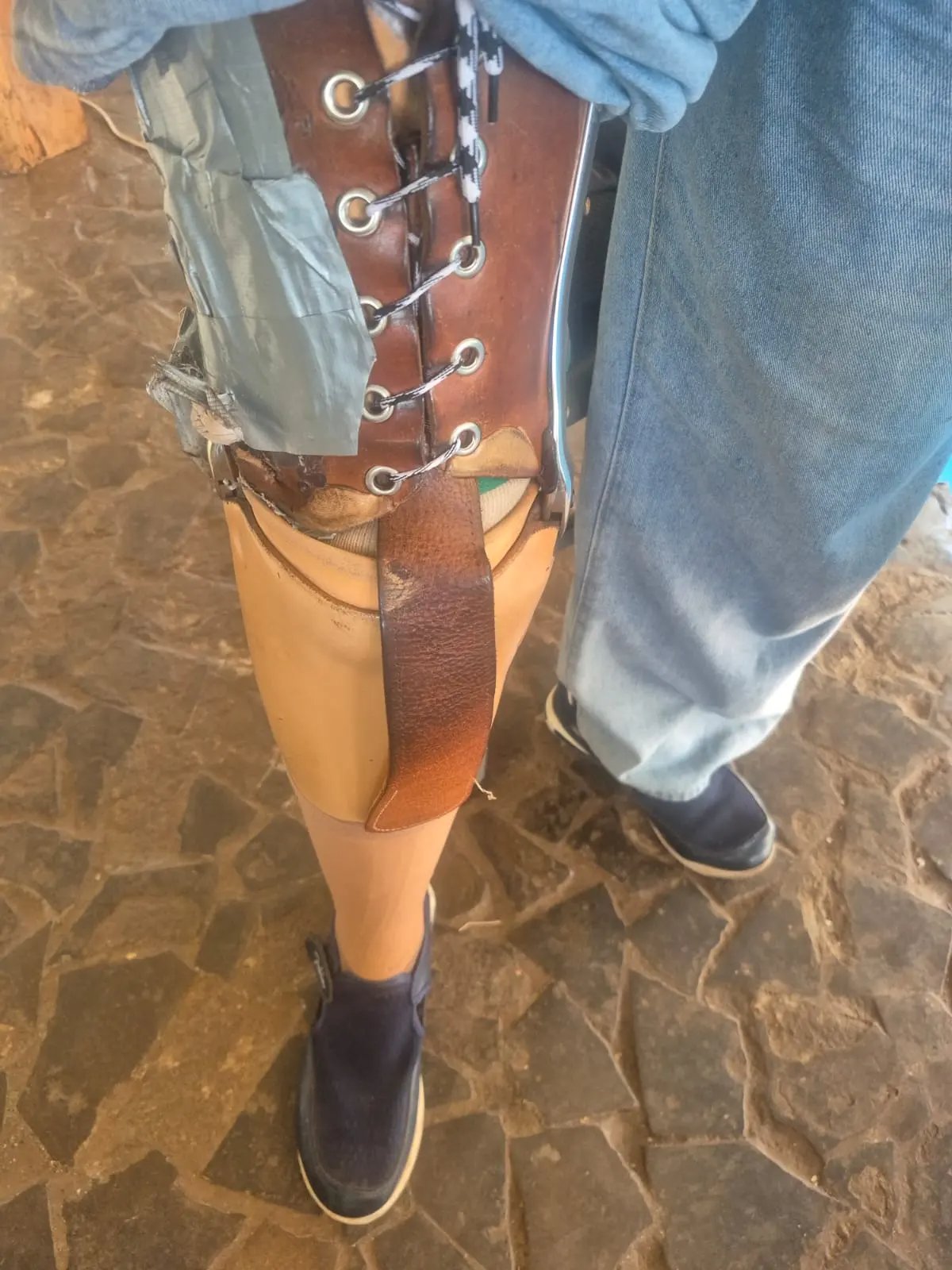
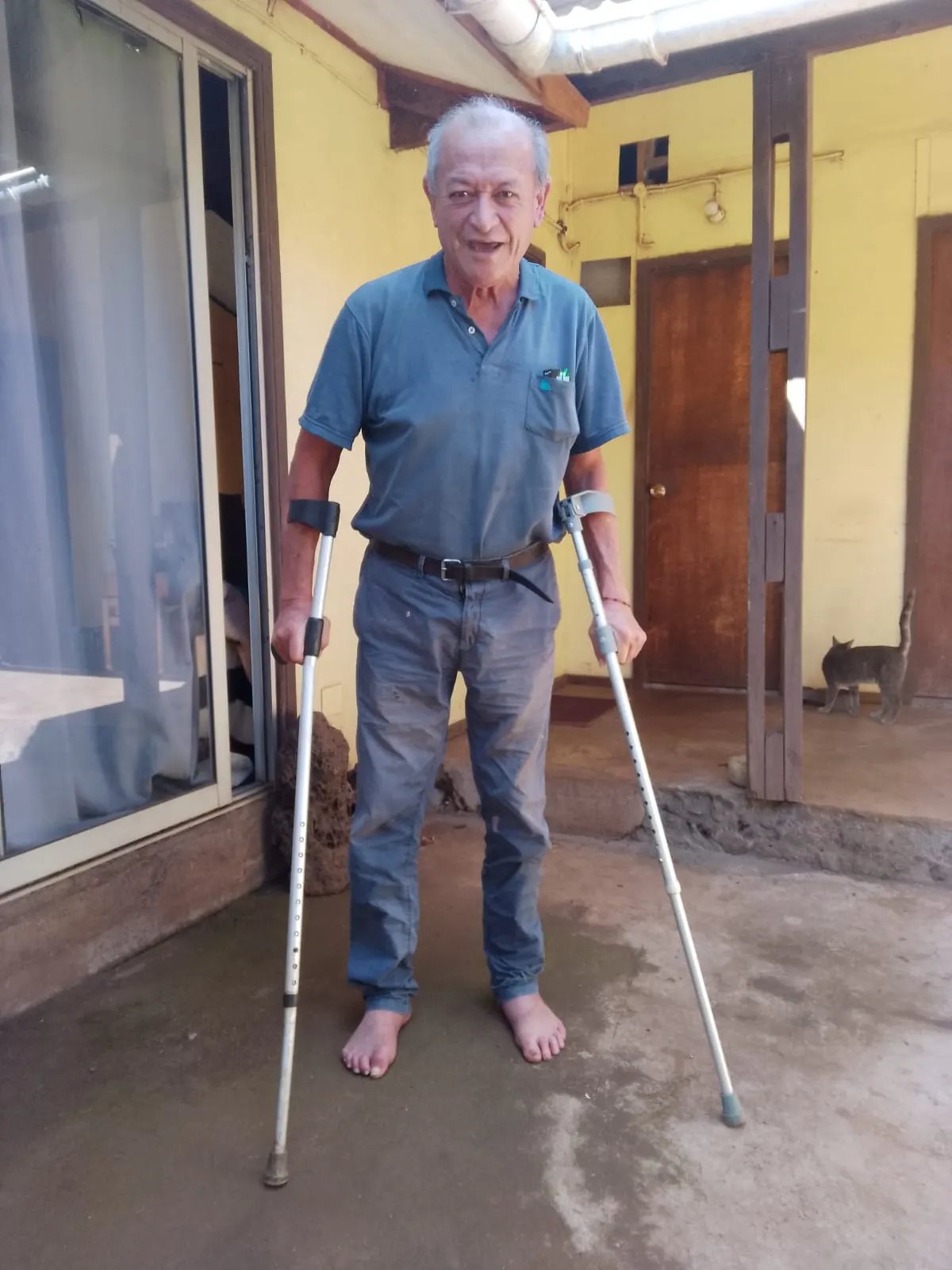
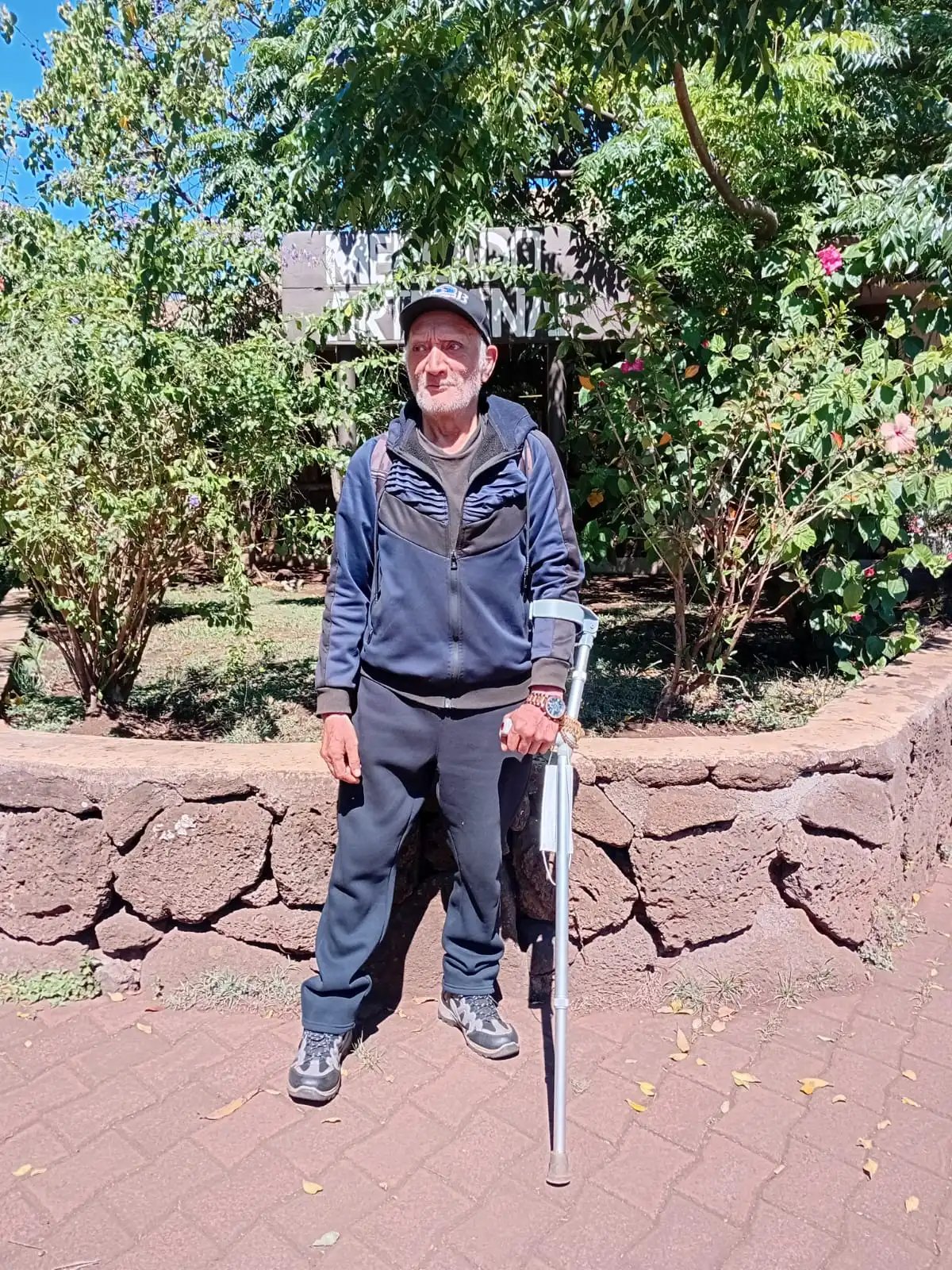
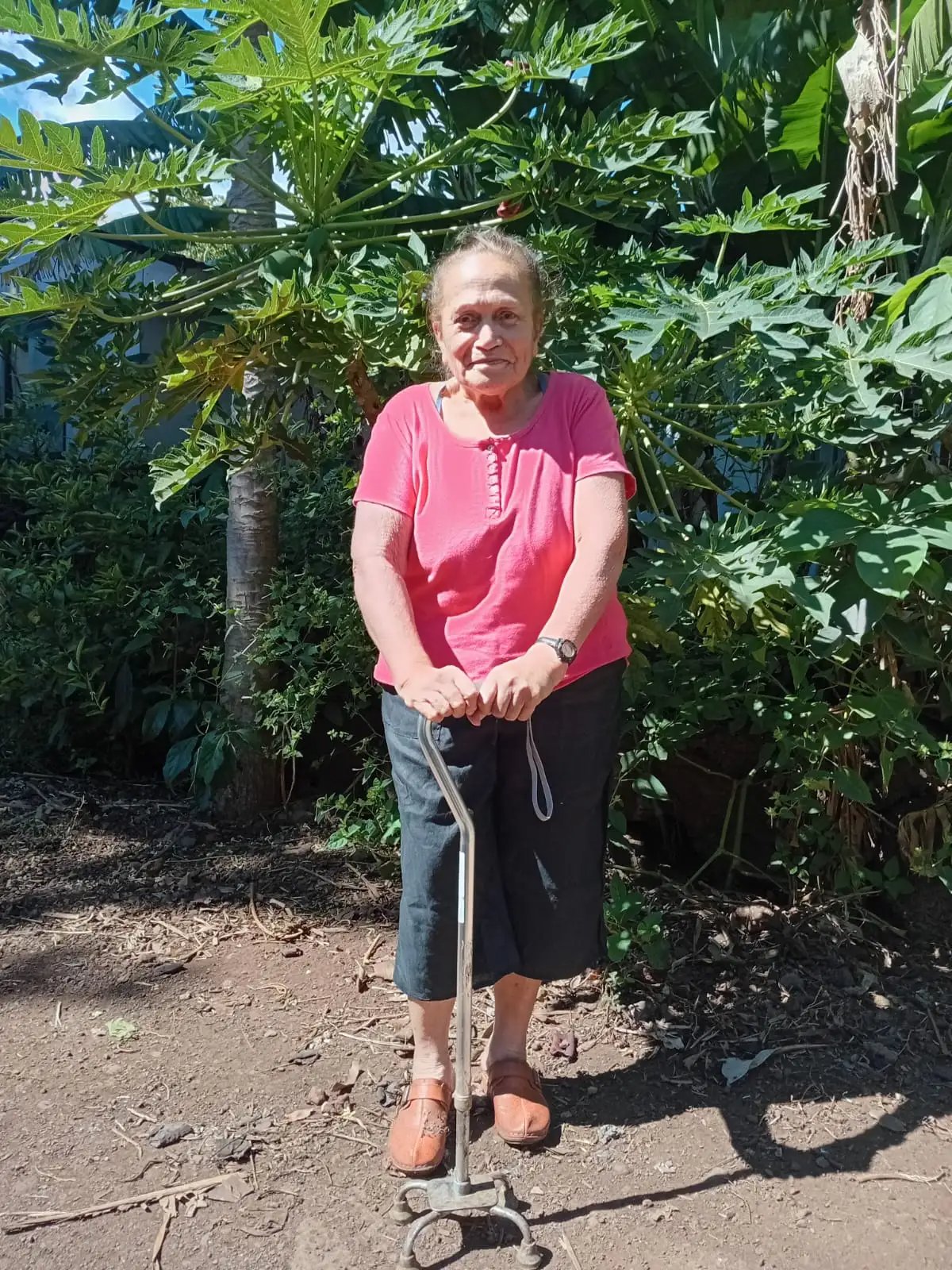
We have seen residents using improvised supports instead of proper wheelchairs. We have seen a prosthetic limb held together with duct tape. We have seen elderly individuals relying on worn crutches and makeshift canes, managing as best they can. We have seen families bearing physical, emotional, and financial burdens that no family should carry alone — in silence, because there is no system to turn to.
Why This Matters
Disability does not announce itself in the tourist brochures. It lives quietly, in homes set back from the road, in the daily determination of people who refuse to be defined by what they lack. These are our elders, our neighbors, our family. They carry the memory and culture of Rapa Nui — and they deserve to live with dignity, mobility, and care, in their own community.
The Mana Rapa Nui Foundation exists to change this. Our mission is to bring wheelchairs, prosthetics, mobility aids, and assistive devices to the islanders who need them — and, in time, to help build a permanent place of care so that no one has to choose between leaving their homeland and going without.
Bearing Witness
The Moai have stood for centuries, watching over a people who deserve to be seen. We share these stories so that Rapa Nui’s most vulnerable residents are no longer invisible. To learn more about our work and the community we serve, we welcome you to explore our mission and reach out to us directly.
Maururu roa — Thank you.
Erity Teave Hey — President, Mana Rapa Nui Foundation
Durham, NC | manarapanuifoundation.org | contact@manarapanuifoundation.org
No responses yet